The Meaning of Halalbihalal and Fellowship for Mental Health
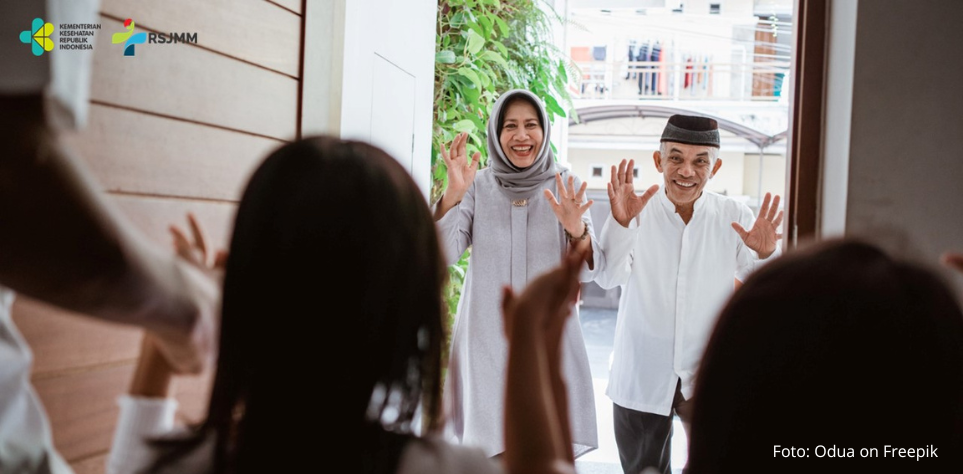
Eid al-Fitr is a beautiful moment eagerly awaited after observing fasting during the month of Ramadan. Eid al-Fitr is the perfect time to gather for "halal bihalal" (a traditional post-Ramadan gathering) and "silaturahmi" (maintaining social connections) with family, friends, and acquaintances.
The gathering, sharing meals, seeking forgiveness, and engaging in typical Eid conversations are moments anticipated and even anxiety-inducing for some. There's pocket money for children but also questions that can make one feel uneasy, such as, "When are you getting married?", "How about [mentioning an ex]?", "Do you have kids yet?", "When will you graduate?". Eid is an exciting time for finding the end of the tape on the "nastar" cookie jar and accepting the reality of a can of Khong Guan filled with "rengginang" rice crackers.
"Halal bihalal" holds a significant and meaningful message – it's about unraveling what's tangled, reconnecting what's broken, warming what's cold, thawing what's frozen, and settling what's murky to make it clear again.
During "halal bihalal" and "silaturahmi," there's a time for seeking forgiveness and granting forgiveness. Seeking forgiveness doesn't imply that one party is right and the other is wrong.
Seeking forgiveness shows that we've mastered the situation, become better, and realized that the value of a relationship is more precious than personal ego. When forgiving, we don't change the past, but we are changing the future to be more peaceful, clearer, more organized, and warmer. Seeking forgiveness and forgiving don't erase the bitter past, but they teach us to accept it differently for a better future. While we're busy reconciling with others, don't forget to forgive yourself, too – for sometimes being wrong, tired, and occasionally defeated by excessive ego and thoughts.
Forgive yourself because perfection is impossible, and pleasing everyone isn't important. Give yourself room to grow and become better.
"Halal bihalal" and forgiveness have many benefits for mental health, including:
1. Forgiveness helps us better control stress. Holding onto feelings of anger, resentment, sadness, hatred, and aggression can lead to the continuous release of cortisol, the stress hormone, disrupting physical and mental health.
2. Forgiveness can activate the parasympathetic nervous system, making the heart, breathing, and digestion more relaxed and peaceful. Meanwhile, anger and hatred activate the sympathetic nervous system, which, when sustained, can cause a rapid heartbeat, fast breathing, and digestive issues, disrupting physical and mental health. Balance between the sympathetic and parasympathetic nervous systems can be achieved through forgiveness.
3. Forgiveness reduces the process of rumination (repeatedly thinking about something negative). Persistent negative thoughts and feelings that arise when we haven't forgiven an event can lead to deeper trauma, toxic effects, and may result in anxiety, depression, and other mental disorders. Forgiveness can stop the rumination process, preserving mental health.
Techniques for Forgiving:
- Acceptance
- Emotional regulation
- Shifting perspective
- Empathy and compassion
- Responsibility
Let's welcome Eid al-Fitr with "silaturahmi" and "halal bihalal" that have positive impacts on our mental well-being.
Author: dr. Lahargo Kembaren, Sp.KJ