The Health Benefits of Catfish for Children and Families
Fish is a valuable source of animal protein and essential unsaturated fatty acids that the human body requires. It is also well-known as a rich source of vitamin A, along with other vitamins and essential minerals that help support children’s growth, development, and cognitive function.
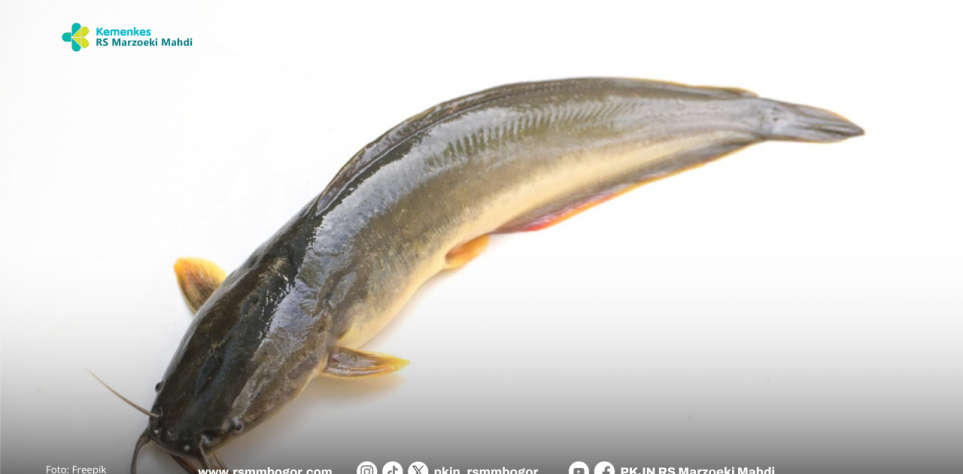
Catfish (Clarias sp.) is one of the most economically valuable freshwater fish species and is widely cultivated in various countries, including Indonesia. It is known for its resilience in suboptimal environments, rapid growth, and delicious taste. Catfish is a nutritious and affordable food choice for many households. It has distinct characteristics compared to other freshwater fish—its body is long, smooth, and scaleless, and it has whisker-like barbels around its mouth that function as sensory organs.
From a health perspective, catfish offers numerous benefits due to its complete and balanced nutritional content. On average, 100 grams of fresh catfish contains approximately 105–120 kcal of energy, 18–20 grams of protein, and 6–9 grams of fat. It also provides Omega-3 and Omega-6 fatty acids, as well as vitamins such as B12, B6, D, and niacin. Key minerals include phosphorus, magnesium, selenium, iron, and potassium.
Catfish is rich in leucine and lysine, two essential amino acids critical for children’s growth and muscle protein synthesis. Lysine, one of the nine essential amino acids, plays a vital role in growth and development (Zaki, 2009). Nutrients such as vitamin B12, DHA, and various minerals in catfish are especially important for fetal and child brain development. DHA (docosahexaenoic acid) supports retinal development and children’s cognitive function.
The iron content in catfish also helps prevent anemia in pregnant women. Its phosphorus and magnesium support bone density and dental health, which are particularly important for growing children and adults at risk of osteoporosis. Selenium in catfish has antioxidant properties that protect the body from cell damage caused by free radicals, while also boosting the immune system against infections and diseases.
Health Benefits of Catfish:
- Rich in Protein: High-quality protein aids in muscle growth and cell regeneration.
- Source of Omega-3 and Omega-6: Supports heart and brain health.
- Low in Calories: Suitable for healthy diets.
- Easily Digested: Easier to digest than red meat, making it suitable for all age groups.
Health Considerations and Potential Drawbacks:
- Relatively High Fat Content: Especially if fried in unhealthy oils.
- Potential for Heavy Metal Contamination: If farmed in polluted environments, catfish may contain harmful substances.
In addition to its health benefits, catfish also contributes to the economy and environment.
Economically, catfish farming provides livelihoods and strengthens national food security.
Environmentally, catfish can be cultivated using biofloc systems, which are more efficient in terms of water and feed usage.
To maximize the health benefits of catfish, here are a few practical tips:
- Choose healthy cooking methods such as steaming, baking, or grilling.
- Avoid using excessive oil when frying.
- Ensure the quality of catfish by choosing those from clean or organic farms, and avoid fish raised with harmful feed.
- Combine catfish with vegetables and complex carbohydrates for a balanced, nutritious meal.
Catfish is a popular dish in Indonesia not only because of its delicious taste and affordability but also for its many health benefits. With its high protein content, healthy fats, vitamins, and minerals, catfish is an excellent addition to a balanced diet. Consuming catfish regularly and preparing it healthily can support heart, muscle, brain, and immune health. For Indonesian families, catfish is a nutritious, economical, and accessible meal choice.