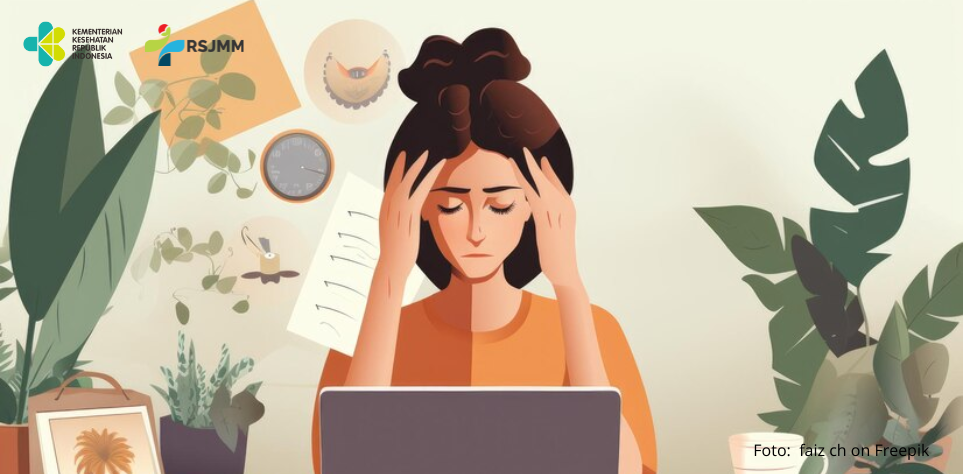
Stress Management
If you are experiencing stress, you are not alone. Currently, there are many people around you and across the world who are also struggling with stress. When someone feels pressured or threatened, that's when they experience stress. The causes of stress are diverse and may include:
1. Negative life experiences
2. Family conflicts and violence
3. Illness
4. School or college problems
5. Decreased income or job loss
6. Unfit living conditions
7. Violence in the surrounding environment
8. Various life issues
9. Worries about the future, and more.
Everyone has experienced stress at some point. In small amounts, we can easily overcome it. However, if this stress is significant and prolonged, it can have effects on our lives.
Impact of Stress:
Stress can have various effects on our body, mind, and emotions. Symptoms of stress may include:
- Pain, discomfort in the body, such as stomachaches, gastric problems, bloating, rapid heartbeat, shortness of breath, headaches, tense neck and shoulders, restlessness, and itching on the skin.
- Feelings of unease, restlessness, anxiety, sadness, irritability, sensitivity, and crying.
- Disrupted eating patterns, leading to weight loss or gain, disrupted sleep patterns, making it difficult to sleep or sleeping too much.
- Difficulty focusing, concentrating, and forgetfulness; tasks that were previously easy and quick to complete become more challenging and time-consuming.
- The heaviness of body, mind, and emotions during stress disrupts our lives, causing suffering, impaired functioning, reduced productivity, and disrupted relationships with others.
Stress can be managed through stress management techniques that reduce stress and improve our lives, enabling us to comfortably engage in activities and improve relationships with others.
Stress Management Techniques:
1. GROUNDING:
Grounding is stress management by focusing on the present moment (here and now). Imagine you are on a tree, and suddenly a storm, heavy rain, strong wind, and lightning occur. If you stay on the tree, you are in danger and could fall and get hurt. The safest thing to do is to come down from the tree and step on the ground; this is called Grounding. In daily life, we often experience Emotional Storms when heavy thoughts and feelings arise, such as painful past memories, worries about the future, or various negative feelings like anger, frustration, sadness, anxiety, and restlessness. Grounding can make us feel safer when these emotional storms arise.
Steps:
- -Identify your current thoughts and feelings.
- Control your breathing by taking slow, deep breaths.
- Gently press your feet onto the floor.
- Slowly stretch your arms to the left and right, then clasp them in front of your chest.
- Look at 5 objects around you, focus on them, and name each object.
- TOUCH 4 objects around you, focus on them, and describe their shape, texture, hardness, and surface.
- LISTEN to 3 sounds around you, focus on them, and name each sound.
- TASTE 2 flavors from food/drink in your mouth, describe the taste, whether it's hot or cold.
- SMELL 1 aroma/scent around you, describe the aroma/scent you perceive.
- After that, refocus and return to the activity you were doing, pay attention to people around you and your surroundings.
2. LETTING GO:
Everyone tries to eliminate heavy thoughts and feelings in various ways. These methods include shouting, trying not to think, avoiding people, places, situations, staying in a room, isolating oneself, giving up, smoking, drinking alcohol, using drugs, arguing, blaming oneself, and more. However, when trying to eliminate these heavy thoughts and feelings, life often becomes worse. There is a way to detach ourselves from heavy thoughts and feelings, which is called the technique of letting go.
Steps:
- FEEL the heavy or difficult thoughts and feelings.
- NAME the heavy or difficult thoughts and feelings, e.g., "I feel a heaviness in my chest," "My head feels heavy," "This is anger," "This is an uncomfortable feeling in my stomach," "These are thoughts of fear about the future," "This is a difficult thought about the past," "This is frustration," "These are thoughts about my family," etc.
- Next, REFRESH and fully engage in your activity, whatever it may be, whether it's cooking, eating, playing, washing, or talking with a friend, and GIVE FULL ATTENTION to the people around you and your activities.
3. ACT ACCORDING TO VALUES:
Your values represent the kind of person you want to be and how you treat yourself and the world around you. Life values include being kind, caring, generous, supportive, helpful, patient, responsible, protective, disciplined, hardworking, dedicated, brave, steadfast, forgiving, grateful, loyal, honorable, respectful, trustworthy, fair, and more. When facing crises in life, there are two possibilities: approaching or distancing from your values.
Steps:
- Write down the important values in your life.
- Observe the difficult situation you are facing.
- Take an approach: CHANGE WHAT CAN BE CHANGED, ACCEPT THE UNCHANGEABLE PAIN, AND LIVE ACCORDING TO YOUR VALUES.
4. DOING GOOD:
Amidst difficult conditions or crises, it's not easy to do good for oneself and others. Everyone needs goodness, start by doing good for yourself, and you'll have more energy to help others and greater motivation to do good for others, benefiting everyone.
Steps:
- Say good words to yourself, like: "Thank you for enduring this far," "I am a good mother," "I am a caring father to my family," etc.
- You can also raise one of your hands and imagine it is filled with goodness. Place this hand gently on the part of your body where you feel pain. Feel the warmth flowing from your hand into your body. Try to be good to yourself through this hand.
- Do good deeds for others by giving appreciation, compliments, and assistance.
5. ALLOW SPACE:
Trying to distance yourself from difficult thoughts and feelings often does not work well. So, JUST GIVE SPACE for all of it. Look at the sky; it always has space for changes in weather. No matter how bad the weather is, rain, thunder, cold snow, and scorching heat, the sky provides space without harm. Sooner or later, the weather will change. We can learn to be like the sky, giving space for the emotional storms of heavy thoughts and feelings without harm.
Steps:
- Feel your difficult thoughts.
- Imagine them as words and images on the pages of a book.
- Imagine putting the book in your lap or you can also imagine holding the book with your arm and carrying it.
- Continue to LIVE IN the world around you.
- So, the thoughts are still there, but you can LIVE IN the world around you.
- Practice this stress management technique regularly to make it a new skill. The more you practice, the easier and faster you can cope with stress, which is heavy thoughts and feelings in your life.
These techniques can help you manage and cope with stress effectively, allowing you to lead a healthier and more balanced life.
Author: dr. Lahargo Kembaren, Sp.KJ
References:
World Health Organization, Doing What Matters in Times of Stress, 2020