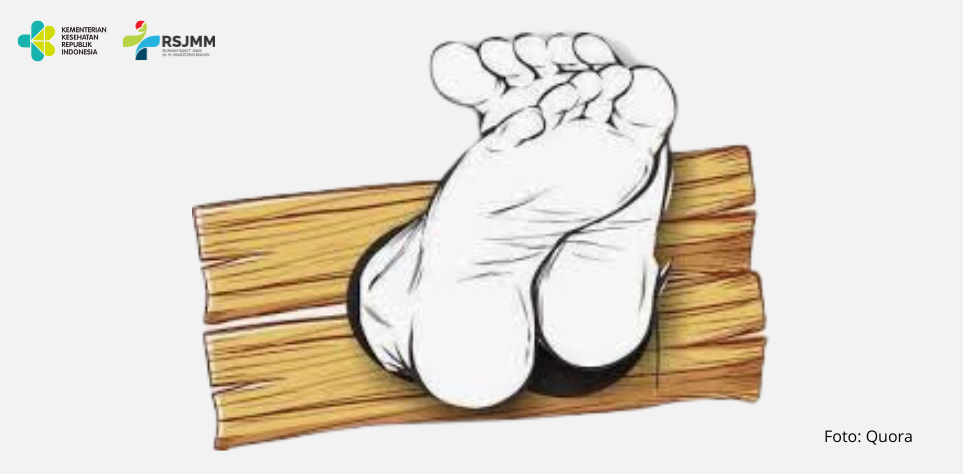
Strategy to Change the Culture of Confinement in Patients with Mental Disorders
Background
Health is a state of well-being, both physically and mentally. Individuals with good mental health tend to have a good quality of life, allowing them to live harmoniously and be productive while considering all aspects of human life. If someone's mental health is not maintained, they are at risk of experiencing mental disorders. Mental disorders can lead to disruptions in psychological functions, causing suffering, distress, and difficulties in fulfilling their social roles (disability/incapacity).
One common mental disorder is schizophrenia. According to Riskesdas (2018) in Indonesia, 6.7 per 1000 households have schizophrenia/psychosis. Schizophrenia is a chronic disease in which patients have difficulty processing their thoughts, resulting in hallucinations, unclear thoughts, and abnormal behaviors or speech. They have difficulty interacting with others, withdrawing from daily activities, quitting their jobs, struggling to control their behavior, engaging in self-harm, harming others, and the environment. The inability of families or communities to control behavior or care for schizophrenic patients leads to the practice of "pasung" or confinement.
"Pasung" is an act of restraining the movement of someone with a mental and behavioral disorder through physical restraint for an indefinite period, limiting their access to basic needs, including health, education, and employment (Halvorsen, 2018).
The practice of pasung against people with mental disorders is still prevalent in Indonesia. Research by Purwoko (2010) found that around 20,000 to 30,000 patients receive inhumane treatment through pasung. The consequences of pasung can have negative effects on the physical, psychological, and social aspects of those with mental disorders. About 21% of individuals with mental disorders experience injuries or worsened health conditions during pasung. Physical restraints imposed on patients can cause injuries to their extremities, attempts to escape from confinement, and falls (Colucci, 2013). Considering the impact of pasung, specific strategies are needed to enable families and communities to choose appropriate management for individuals with mental disorders.
Discussion
1. Behavior of Pasung Against Patients with Mental Disorders
- Reasons for Pasung: The practice of pasung is driven by various reasons given by families. Families explain that their family members with mental disorders engage in violent behavior, to aid in healing, wandering, and their inability to care for themselves.
-
Violent Behavior: Individuals with mental disorders may exhibit violent behavior, including self-harm, harm to others, and harm to the environment. This aggressive behavior is aimed at causing physical harm or damage to oneself, others, or the surroundings. Pasung is a response to these acts of violence. According to Yusuf (2015), acts of self-harm may involve suicide attempts, such as jumping into a well, while acts of violence against others may include threats and physical assaults. According to Wahyuningsih (2014), reasons for pasung include damaging the environment, injuring others, and the risk of murder.
-
Aiding Healing: Some families resort to pasung to aid in the healing process. Yusuf (2015) found that three out of nine participants mentioned that their families used pasung to facilitate healing. Families received information from neighbors that pasung could help calm patients and prevent them from damaging objects. Participants with this rationale had lower levels of education, typically having completed only elementary school. Families believed that pasung could lead to the recovery of patients from violent episodes and object destruction.
-
Wandering: Pasung is also used when patients wander. Yusuf (2015) reported that two participants used pasung because the patients wandered. One participant stated that the patient walked for days, causing anxiety for the family. To prevent the patient from wandering, the family decided to chain the patient. Another participant described how the patient walked to other people's houses and got confused when returning home. The family had to fetch the patient, even late at night or early morning, so they decided to use pasung to prevent further wandering. Research by Minas and Diatri (2008), as cited in Daulima (2014), and research by Wahyuningsih (2014) showed that one of the reasons for pasung is to prevent patients from wandering and posing a danger to others. Families are afraid that something might happen to the patient while wandering, such as being hit by motor vehicles, falling into rivers, and so on.
-
Inability of Families to Care: Patients with mental disorders may engage in deviant behavior, have difficulty controlling their behavior, and struggle to perform daily activities effectively. This becomes a burden for families, and taking care of individuals with mental disorders becomes an additional challenge. The burden of taking care of individuals with mental disorders is a result of the family's experience of distress, stemming from the patient's impact on the family. This situation can trigger increased stress within the family. Stress within the family, coupled with low levels of education, economic limitations, and limited access to healthcare facilities, can lead families to feel they have no other choice but to resort to pasung. This study found that families felt they had no alternative to care for the patient, and they were forced to use pasung because, without it, they could not work as laborers to support their families (Yusuf, 2015).
-
2. Decisions to Use Pasung: The decision to use pasung is made by families and the community. Five participants mentioned that families made the decision to use pasung against individuals with mental disorders, and they received support from the community leaders. Therefore, families and community leaders initiated pasung and took full responsibility for maintaining this practice. The decision to use pasung is based on factors such as family ignorance, shame, unhealed illness, lack of funds for treatment, ensuring the safety of the individual with mental disorders, ensuring the safety of others, securing the environment, and inability to access healthcare facilities.
-
3. Impact of Pasung: Individuals subjected to pasung experience both physical and psychological consequences.
-
Physical Impact: Confinement in a narrow enclosure or physical restraints on the extremities, such as hands and feet, limits the movement of the patient. Extended periods of pasung can lead to physical disabilities. Common physical disabilities include muscle atrophy in the legs and contractures at the knee joints, or even paralysis.
-
Psychological Impact: According to Lestari, Choiriyyah, & Mathafi (2014), the psychological impact of pasung includes trauma, resentment toward the family, feeling abandoned, low self-esteem, despair, depression symptoms, and even suicide attempts.
2. Family Support
According to Maramis (2010) and Yusuf (2015), mental disorders manifest as various forms of deviant behavior, with undefined root causes. Families should recognize that mental disorders are medical conditions, allowing them to understand the deviant behavior exhibited by patients and determine appropriate solutions to the patient's health problems according to family health roles (Yusuf, 2016; Laeli, 2017). Misconceptions about the condition of the person with mental illness signify a failure to fulfill family health roles. According to Suprajitno (2004) and Mubarak (2009), the primary role of family health is to recognize family health. Families that continue to believe that individuals with mental disorders are possessed or are not good people are unable to understand the health problems they face.
According to Daulima (2014), individuals with mental disorders should not be subjected to pasung but should receive appropriate therapy. Proper treatment for individuals with mental disorders, as noted by Hawari (2001) and Yusuf (2015), includes psychopharmacological therapy, somatic therapy, and modalities therapy. These therapies are available in healthcare facilities, and individuals with mental disorders should be taken to hospitals for treatment. Delaying treatment in healthcare facilities exacerbates the severity of mental disorders.
3. Government Policies Regarding Pasung
The government has prohibited the practice of pasung through various means:
-
UU No. 18 Tahun 2014 states that anyone involved in pasung may be subject to existing laws under the Criminal Code (KUHP) and processed legally as a criminal offender. This has prompted all government components, from local governments to the Indonesian National Armed Forces (TNI) and the National Police (Polri), to proactively conduct data collection to free individuals subjected to pasung.
-
Law No. 23 of 1966 concerning Mental Health states that patients with mental disorders who are neglected should receive treatment and care at a designated mental health facility.
-
A letter from the Minister of Internal Affairs, Number PEM.29/6/15, dated November 11, 1977, addressed to the Governors of Level I Regional Governments throughout Indonesia, requested that the community refrain from subjecting individuals with mental disorders to pasung. It aimed to raise awareness in the community to entrust the care of individuals with mental disorders to mental hospitals.
4. Strategies to Change the Behavior of Pasung Against Individuals with Mental Disorders
1. Health Behavior
Health behavior refers to an individual's response to stimuli or objects related to illness and disease, healthcare systems, food, beverages, and the environment. Health behavior encompasses all activities or actions related to maintaining and improving health, both observable and unobservable (Notoatmodjo, 2010).
Responses or behaviors emerge in the presence of stimuli. The presence of individuals with mental disorders in families serves as a stimulus that prompts families to respond or take action to address the problems faced by individuals with mental disorders. The decisions made by families are influenced by internal and external factors. Internal factors encompass biological and psychological factors, including perceptions, motivations, attention, desires, and will. External factors include physical and non-physical environmental factors. Physical environmental factors include geographical and climatic conditions, while non-physical environmental factors include social, cultural, economic, and political conditions.
2. Interventions to Change Pasung Behavior
Referring to determinants that influence behavior, interventions to change the behavior of families and communities that use pasung against individuals with mental disorders should first assess the factors that drive families and communities to resort to pasung. This will ensure that interventions are targeted appropriately. In Yusuf's (2015) study, decisions to use pasung were based on family ignorance, shame, unhealed illness, lack of funds for treatment, ensuring the safety of individuals with mental disorders, ensuring the safety of others, securing the environment, and inability to access healthcare facilities. Based on these findings, interventions included:
- Education about Mental Disorders
- Education about Utilizing Healthcare Facilities
- Education about Appropriate Management for Individuals with Mental Disorders
- Increasing Community Involvement in Handling Individuals with Mental Disorders
3. Objectives of the Interventions
The interventions aim to empower families and communities to:
- Provide instrumental support to individuals with mental disorders, including accompanying them to seek medical treatment and ensuring medication compliance.
- Provide informational support to individuals with mental disorders by offering guidance on taking medication regularly. The limited knowledge and information sources available to families can be a hindrance to providing informational support. Families require accurate information about mental disorders to help individuals function socially.
- Provide emotional support to individuals with mental disorders, including encouragement, empathy, trust, and providing a safe place to rest. Emotional support helps individuals with mental disorders feel comfortable, valued, and loved, especially when they are experiencing depression. A supportive family environment can help optimize cognitive functioning and motivation to take medication regularly.
- Become a support system for individuals with mental disorders and their families. Community members, especially community leaders, play a crucial role. A community that refrains from stigmatizing individuals with mental disorders, offers trust, respect, and empathy, can contribute to their recovery. Community support also provides feedback and encouragement to families to choose the right management for individuals with mental disorders.
Author: Nano Supriatna
References:
Daulima, N. H. (2014). Proses Pengambilan Keputusan Tindakan Pasung oleh Keluarga Terhadap Pasien Gangguan Jiwa. Fakultas Ilmu Keperawatan UI: Disertasi.
Effendy, N. (1998). Dasar-dasar Keperawatan Kesehatan Masyarakat, Edisi 2, Editor Yasmin Asih. Jakarta: EGC.
Fitryasari, R. (2009). Pengalaman Keluarga dalam Merawat Anak dengan Autisme di Sekolah Kebutuhan Khusus Bangun Bangsa Surabaya. Manuskrip Penelitian: Fakultas Ilmu Keperawatan Program Studi Pascasarjana.
Halida, N., Dewi, E. I., & Rasni, H. (2016). Pengalaman Keluarga dalam Pemenuhan Kebutuhan Perawatan pada Orang Dengan Gangguan Jiwa (ODGJ) dengan Pasung di Kecamatan Ambulu Kabupaten Jember. e-Jurnal Pustaka Kesehatan, 4(1), Januari, 78–8
Universitas Indonesia. Buku Ajar Psikiatri. 2010.
Pedoman Pelayanan Kesehatan Jiwa Komunitas, 406/Menkes/SK/VI/2009 (2009).
Joska JA, Sorsdahl KR. Integrating Mental Health into General Health Care: Lessons From HIV. Afr J Psychiatry. 2012;15:3.
Keputusan Menteri Kesehatan Republik Indonesia. Pedoman Umum Tim Pembina, Tim Pengarah, Tim Pelaksana Kesehatan Jiwa Masyarakat ( TP – KJM ), 220 / MENKES / SK / III / 2002 (2002).
Depkes RI. (2018). Riset Kesehatan Dasar. https://pusdatin.kemkes.go.id/article/view/20111800001/diabetesmelitus.htm