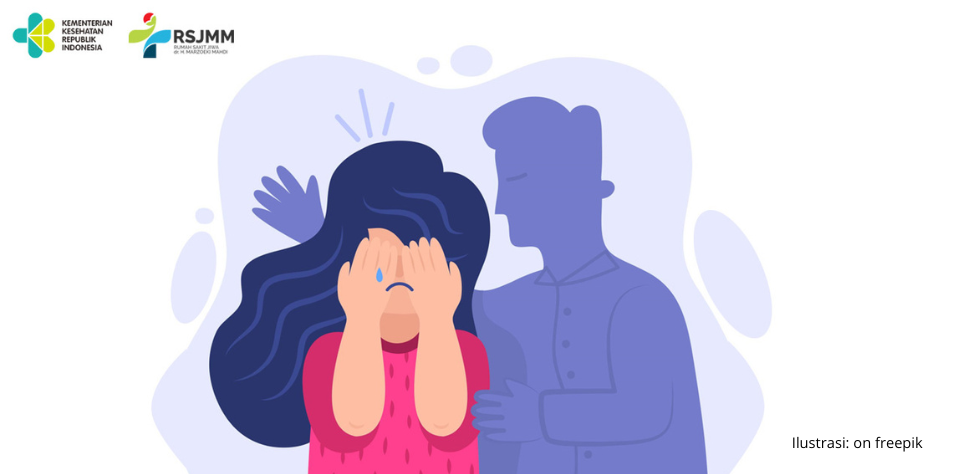
Sexual Violence Against Children
In mental health clinics, patients with psychological disorders are often found to have experienced previous sexual violence. Recently, we have heard and read news about cases of sexual violence. Traumatic experiences as victims of sexual violence can have an impact on psychological conditions, and if not provided with help, assistance, and psychological support, it can lead to the emergence of mental disorders such as anxiety, depression, bipolar disorder, psychosis, and personality disorders. Some news about other instances of sexual violence occurring in various places indicate that Indonesia is currently in a state of sexual violence emergency.
Let's recognize the symptoms of psychological problems that occur in victims of sexual violence, namely:
- Physical symptoms
Headaches, rapid heartbeat, shortness of breath, abdominal pain, and tense muscles.
- Emotional symptoms
Anxiety, anger, sadness, frustration, feeling alone, feeling isolated and lonely.
- Behavioral symptoms
Disrupted eating and sleeping patterns, lack of movement, aggression, procrastination.
- Cognitive symptoms
Difficulty focusing, lack of concentration, forgetfulness, difficulty making decisions, repetitive thoughts.
Victims of sexual violence will experience two phases of psychological problems, namely:
- Acute Phase
This phase occurs immediately after the incident of sexual violence up to 2-3 weeks. During this phase, victims experience behavioral and cognitive chaos. Emotional symptoms experienced by victims include crying, smiling, and laughing without apparent reason, appearing calm and controlled as if nothing happened, flat affect, anger, fear, anxiety/worry, shock, blunt emotional expression.
The above acute reactions occur due to fear of physical injury, safety, and death. After the person feels safe, various other symptoms emerge, such as mood swings (sometimes happy, sometimes sad), feeling humiliated, low self-esteem, shame, self-blame, feeling powerless, feeling hopeless, anger, desire for revenge, and fear of the incident recurring.
- Long-Term Phase
This phase occurs after 2-3 weeks of the incident. In this phase, victims begin to reorganize their lives, and two things can happen:
- Adaptive
Victims can readjust to the situation, function, and be productive again.
- Maladaptive
Victims cannot adjust to the situation, acute phase symptoms persist, various psychological symptoms that can disrupt daily functioning and activities appear.
The ability of victims of sexual violence to pass through this phase depends on:
- The victim's age, the younger the victim, the more difficult it is to adapt and recover.
- Support system and support obtained.
- Basic personality owned before the incident.
- Life situation experienced.
LONG-TERM EFFECTS OF SEXUAL VIOLENCE VICTIMS
If not handled properly, victims of sexual violence can experience various mental disorders such as:
- PTSD (Post Traumatic Stress Disorder)
- Depression
- Anxiety
- Psychosis (disorder in assessing reality, marked by hallucinations and delusions)
- Sexual disorders, etc.
SUICIDE IN VICTIMS OF SEXUAL VIOLENCE
If the mental problems/disorders experienced by victims of sexual violence are not well addressed, it can lead to suicidal thoughts or attempts. Someone who attempts suicide does not actually want to end their life. They actually want the suffering/conflict they experience to end quickly. Unfortunately, suicide becomes the choice because it seems there is no other help to expect. There are several signs and symptoms of suicide that need to be known to prevent it, including:
- Talking about wanting to die or committing suicide
- Talking about feeling empty, purposeless, and having no reason to live
- Making plans for suicide, such as viewing websites on suicide methods, buying weapons/tools to do it, buying drugs in large quantities
- Talking about intense feelings of guilt and shame
- Talking about feeling trapped, having no way out
- Feeling prolonged and unimproved 'sickness,' either physical or psychological
- Feeling a heavy burden to others
- Increasing use of alcohol or drugs
- Anxious and agitated behavior
- Withdrawing from family and friends
- Changes in sleep and eating patterns
- Showing angry or revengeful behavior
- Engaging in risky behaviors like reckless driving
- Talking and thinking about death more frequently
- Extreme mood swings, from very sad to very calm and very happy
- Giving up important positions in work, quitting school/work
- Saying goodbye to friends and family
- Making a will
- Posting about suicide and death on social media
Quick and proper intervention is essential for people experiencing sexual violence so they can recover quickly. There is a significant chance of recovery if immediate treatment is provided by professionals who have competence, such as psychiatrists, psychiatric nurses, psychologists, counselors, and social workers.
Author: Dr. Lahargo Kembaren, Sp.KJ
References:
1. American Psychiatric Association (2014). Manual Diagnóstico y Estadístico de los Trastornos Mentales (DSM-5) [Diagnostic and Statistical Manual of Mental Disorders (DSM−5)]. Madrid: Médica Panamericana.
2. Angold, A., and Costello, E. J. (1995). A test-retest reliability study of child-reported psychiatric symptoms and diagnoses using the Child and Adolescent Psychiatric Assessment (CAPA-C). Psychol. Med. 25, 755–762.