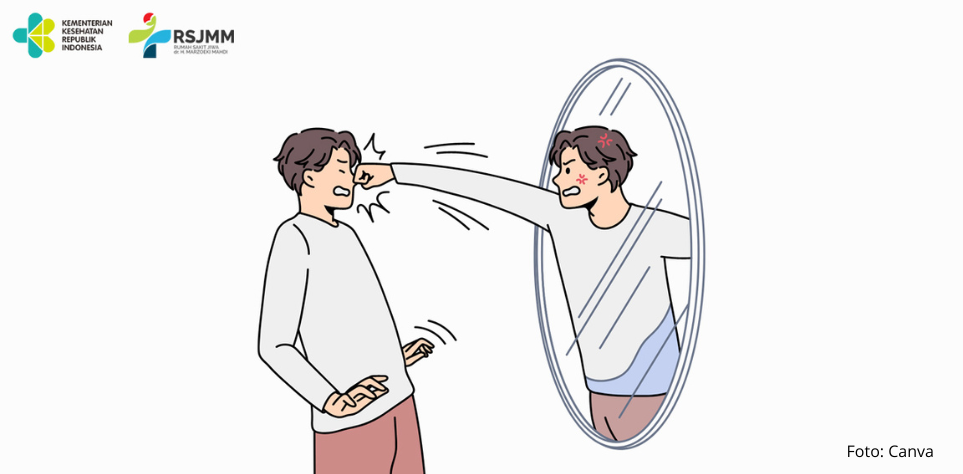
Recognize and Overcome Self Harm
Self-harm is the deliberate act of hurting oneself through actions that provide temporary relief and a false sense of calmness. It's an instant coping mechanism for temporarily alleviating emotional pain. Approximately 10 percent of teenagers and young adults engage in self-harm.
What Are the Types of Self-Harm?
- CUTTING
Creating wounds on the hands or other parts of the body with sharp objects.
- HITTING
Hitting, banging the head, or throwing the body onto the floor.
- ADDICTION
Engaging in excessive gaming, pornography, online gambling, social media, alcohol, drugs, to the point of neglecting self-care.
The Cycle of Self-Harm
The lack of options and assistance in dealing with accumulating emotional stress leads individuals to seek shortcuts to find tranquility by shifting emotional pain to physical pain.
Emotional distress --> Emotional overload --> Panic --> SELF HARM --> Temporary relief (triggering the release of dopamine in the brain, providing momentary calmness) --> Shame and Guilt --> Emotional distress
Preventing and Addressing Self-Harm
- Every child needs to learn life skills to cope with stressors in their lives.
- Provide the best parenting for each child; be their friend and partner.
- Have and engage in enjoyable hobbies with enthusiasm.
- Identify the forms and patterns of self-harm, identify triggers, and also distractions that have worked in the past. Write them down in a journal or diary.
- Seek, discover, and implement options for calming feelings and thoughts in uncomfortable situations.
- Delay and wait for a while before engaging in self-harm. If during that wait, you feel calmer and better, it will be easier to make a different choice.
Self-Harm is a Cry For Help. Let's be present, support, and provide the assistance they need. Consult mental health professionals such as psychiatrists, psychiatric nurses, psychologists, social workers, or counselors for further help.
Author: dr. Lahargo Kembaren, Sp.KJ
References:
Beckman, K., Mittendorfer-Rutz, E., Lichtenstein, P., Larsson, H., Almqvist, C., Runeson, B., et al. (2016). Mental illness and suicide after self-harm among young adults: long-term follow-up of self-harm patients, admitted to hospital care, in a national cohort. Psychol. Med. 46, 3397–3405.
Brown, T. B., and Kimball, T. (2013). Cutting to live: a phenomenology of self-harm. J. Marital. Fam. Ther. 39, 195–208. doi: 10.1111/j.1752-0606.2011.00270.x