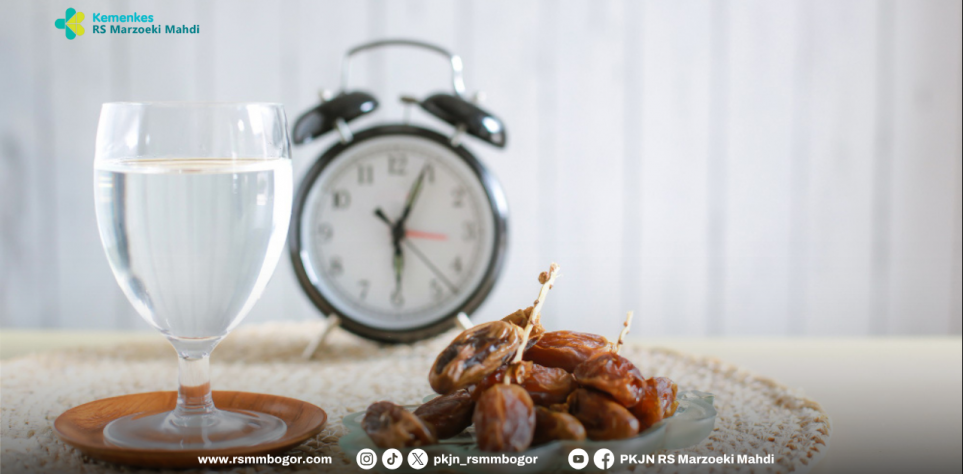
Ramadan Fasting Tips: Maintain Nutrition, Avoid Weight Gain!
The month of Ramadan is often a highly anticipated time, but it frequently ends in regret due to weight gain. However, fasting should be an opportunity to maintain health and achieve a fitter body. How do you maintain a balanced diet during Ramadan and avoid weight gain? Check out these complete tips from a nutritionist!
Can Nutritional Needs Be Met During Fasting?
Many wonder if it's possible to meet nutritional needs during fasting with limited eating times. The answer is, of course, it's possible! Nutritionist Sri Hasanah explains three important points for a healthy and successful fast:
- Balanced nutrition: Ensure the food consumed during suhoor, iftar, and after tarawih contains sufficient carbohydrates, protein, fats, vitamins, and minerals.
- Daily nutritional needs: Each individual has different nutritional needs; adjust portion sizes to your body's individual needs.
- Body hydration: Keep your body hydrated by drinking enough water, especially during suhoor and iftar.
Regulating Meal Times During Fasting
During Ramadan, meal times shift from day to night. The body needs time to adapt to this change. Usually, body adaptation occurs within 1-2 days.
- Iftar (breaking the fast): Identical to breakfast, start by drinking water and dates, then consume light snacks before tarawih prayers.
- Suhoor (pre-dawn meal): Identical to lunch, consume filling foods containing complex carbohydrates.
- After tarawih: Can be considered dinner, consume light meals or healthy snacks.
Tips for Choosing a Healthy Iftar Menu
Avoid immediately consuming heavy meals or overly sweet drinks when breaking your fast. Start with:
- Water: To replenish lost body fluids.
- Dates: A natural source of energy and a Sunnah of the Prophet.
- Fruits: Watermelon, papaya, or melon, which are fresh and rich in vitamins.
- Fruit ice: Allowed, as long as it doesn't contain too much sugar and milk.
Coffee and Tea During Fasting, When is the Right Time?
Coffee and tea are diuretics, meaning they draw fluids out of the body. Therefore, avoid consuming them during suhoor. The best time to drink coffee or tea is after a heavy meal at iftar or after tarawih.
Why Does Weight Increase During Fasting?
Many hope to lose weight during fasting, but the opposite often occurs. This can be caused by:
- Excessive portion sizes at iftar.
- Consumption of high-calorie and high-sugar foods.
- Lack of physical activity.
Tips for Losing Weight During Fasting
- Limit consumption of fried and sweet foods.
- Increase consumption of fruits and vegetables.
- Exercise lightly and regularly.
- Meet your water intake needs.
By implementing the above tips, you can carry out your fasting worship healthily and fitly, and avoid unwanted weight gain. Happy fasting!