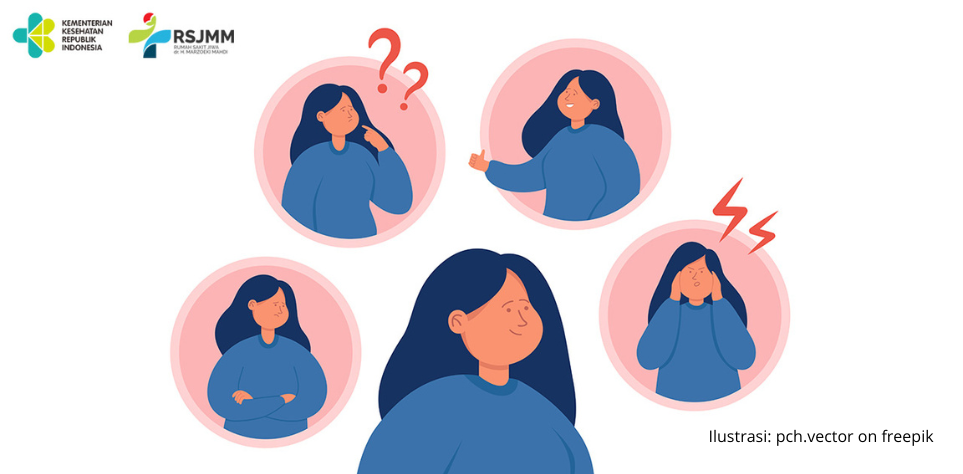
Psychosis: Difficulty Distinguishing What is Real and What is Not Real
On a Saturday afternoon, a phone call came in requesting a consultation appointment because their child was feeling restless and unstable. When they arrived at the practice, a 15-year-old smiled, laughed to themselves, suddenly screamed, and displayed anxious behavior. They also felt fearful and anxious, as if someone was following them, and believed there was a conspiracy to embarrass and defeat them. Hallucinations and delusions were detected, which are symptoms of a psychotic disorder.
Psychosis is a mental disorder characterized by an individual's inability to distinguish between what is real and unreal, in other words, difficulty differentiating between imagination and reality.
Signs and Symptoms:
1. Hallucinations
Disturbances in sensory perception, hearing voices or whispers, seeing shadows, smelling odors, feeling something on the skin and tongue, all of which have no source.
2. Delusions
False beliefs/thoughts/perceptions about something that does not align with reality, such as feeling pursued, observed, malicious intent, feeling talked about and avoided by friends, or having powers/abilities that do not match reality.
3. Behavioral Disturbances
Withdrawing from social environments, sleep and eating disturbances, difficulty performing tasks that were previously easy, slow movements, or, conversely, restlessness.
4. Mood Changes
Excessive anxiety, sadness, excessive worry.
5. Thoughts
Frequent suspicion, difficulty focusing and concentrating, daydreaming.
6. Speech
Repetitive speech, reluctance to speak, speaking incoherently.
Causes:
The cause of psychotic disorders is an imbalance of chemicals in the brain. This imbalance can occur with physical and psychological exhaustion and poor mental capacity, such as:
- Genetic factors: Those with family members who have mental problems/disorders are more vulnerable or at risk for psychosis.
- Severe stress in daily life, life problems, unresolved conflicts, unfulfilled desires, disappointments, the loss of loved ones, repressed anger, etc.
- Substance abuse.
- Head injuries.
- Hormonal changes in pregnant and postpartum women.
Know Myths and Facts About Psychosis:
- Psychosis is not something fabricated.
- Psychosis is not solely due to poor parenting but has multifactorial causes.
- Psychosis does not indicate weakness/stupidity/laziness but is a disease that requires treatment.
- Psychosis is not due to supernatural/mystical causes; it is a medical disorder.
- Psychosis is not the end of everything; it can be treated and recovered.
What Can Families Do If Someone Suffers from Psychosis:
- Provide time to listen to what they feel.
- Give more attention in various aspects.
- Quickly reduce the level of stressors experienced.
- Take them to a psychiatrist for prompt and appropriate treatment so that symptoms can decrease and disappear.
- Consult regularly for medication dosage adjustments and psychotherapy.
- Always maintain a positive and optimistic attitude that this disorder can be recovered.
- Maintain a healthy lifestyle, eat healthily with plenty of fish, vegetables, and fruits, avoid excessive flavor enhancers, colorings, and preservatives, avoid instant noodles and junk food, exercise regularly for 30 minutes a day, and ensure 6-8 hours of sleep per day.
Psychosis is a temporary and treatable mental disorder. Stay focused on the provided program. Family support and support from those around are crucial for recovery.
"Mental Health is Not Everything, BUT Without Mental Health, Everything is Nothing."
Author: dr. Lahargo Kembaren, Sp.KJ
References:
1. World Health Organization. The ICD-10 classification of mental and behavioural disorders: clinical descriptions and diagnostic guidelines. Geneva: World Health Organization, 1992.
2. American Psychiatric Association DSM-5 Task Force. Diagnostic and statistical manual of mental disorders, 5th Edition (DSM-5). Washington, DC: American Psychiatric Association, 2013.
3. Morgan C, Lappin J, Heslin M, et al. Reappraising the long-term course and outcome of psychotic disorders: the AESOP-10 study. Psychol Med 2014; 44 (13): 2713– 2726. doi:10.1017/S0033291714000282.