Prevent Cancer Through the Right Diet
Cancer is the second leading cause of death worldwide. Cancer often causes death, because this disease generally does not cause symptoms at the beginning of its development. As a result, this condition is only detected and treated after it reaches an advanced stage.
Cancer sufferers in the world in 2020 reached 19.3 million cases with a death rate of 10 million people. This figure has increased compared to 2018 (18.1 million) with a death rate of 9.6 million. The International Agency for Research on Cancer (IARC), the International Agency for Cancer Research formed by WHO, estimates that the number of cancer sufferers in the world will continue to rise to 30.2 million cases in 2020.
WHAT IS CANCER?
Cancer is a non-communicable disease characterized by the presence of abnormal cells/tissues, which are malignant, grow quickly, are uncontrolled and can spread to other places in the sufferer's body.
Cancer cells are malignant and can invade and damage the function of the tissue. The spread (metastasis) of cancer cells can occur through blood vessels or lymph vessels. Cancer cells can originate from all the elements that make up an organ, and in the following journey grow and multiply to form a tumor mass.
CAUSES OF CANCER
The main cause of cancer is genetic changes (mutations) in cells so that the cells grow abnormally. Factors that are thought to be at risk of causing genetic mutations in normal cells and the body's failure to repair them include:
1. Family history of disease (genetic factors)
2. Age over 65 years
3. Smoking habit
4. Exposure to radiation, chemicals (such as asbestos or benzene), or sunlight
5. Viral infections, such as hepatitis B, hepatitis C and HPV (Human Papillomavirus)
6. Obesity
7. Lack of physical activity
8. Unhealthy eating patterns
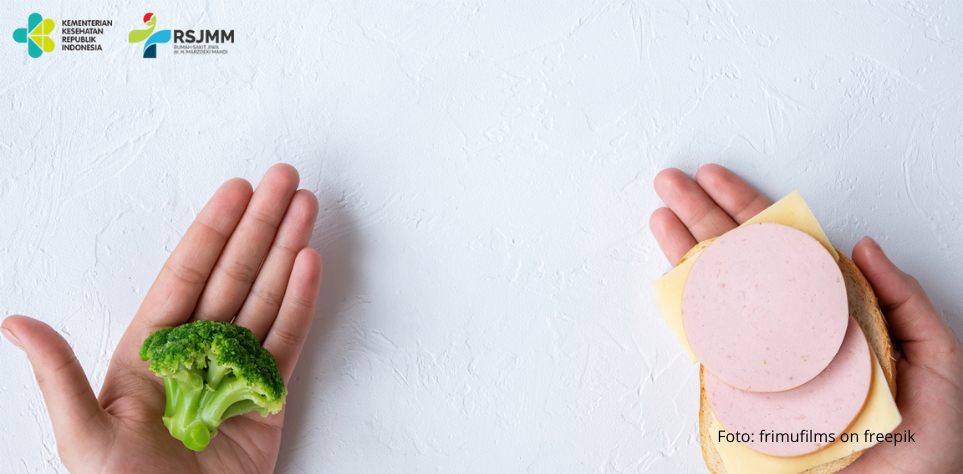
Lack of activity accompanied by unhealthy eating patterns is a cause of cancer. What foods trigger cancer?
1. Preservatives
Preservative foods contain nitrates which have the potential to trigger colon cancer if consumed in large quantities. Apart from that, this type of food has a high salt and fat content. Salt is said to increase the risk of stomach cancer.
2. Red Meat
Several studies have proven that excessive consumption of red meat can increase the risk of cancer. These cancer-triggering foods contain high levels of saturated fat and cholesterol. Processing red meat by frying, grilling or grilling will increase the risk of cancer because it can encourage the formation of carcinogenic compounds. For this reason, consume meat in the right amount and processing method.
3. Fast Food
In general, fast food is high in fat, salt and sugar. Consuming excessive amounts of fast food accompanied by a lack of physical activity can trigger excessive weight gain or obesity. People with obesity experience chronic, low-level inflammation in their bodies. Inflammation that lasts for a long time can trigger DNA damage or mutations which can increase the risk of cancer growth.
4. Fried foods
Foods processed using high temperatures are known to increase the risk of cancer, fried food is one of them. Fried foods are starchy foods, which when processed at high temperatures can produce acrylamide compounds which are carcinogenic.
5. Foods High in Salt
Salt has a carcinogenic effect that can encourage the growth of cancer cells, especially in people with Helicobacter pylori infection. Foods that are high in salt can increase the rate of proliferation which makes cells more active in dividing, thus allowing the growth of abnormal cells that cause cancer.
6. Foods high in sugar and processed carbohydrates
Foods high in sugar and refined carbohydrates, such as pasta, sweet cereals, white rice, white bread and various types of cakes. If consumed excessively, it can increase the risk of diabetes and obesity, both of which are closely related to inflammation and oxidative stress which have the risk of triggering cancer.
7. Instant Food
Instant food, especially in canned packaging, is quite dangerous for the body's health, and can even trigger breast cancer. The inside of the can is generally coated with bisphenol-A (BPA), a chemical that is not good for body health.
Apart from that, instant food contains acrylamide, artificial sweeteners (aspartame and acesulfame-K), preservatives (sodium benzoate), and sodium nitrite which have the potential to trigger cancer.
8. Alcohol
When consuming alcohol, the liver breaks down the alcohol and produces a carcinogenic compound called acetaldehyde. This compound can interfere with the function of the immune system, making it difficult to kill precancerous cells.
SIGNS AND SYMPTOMS OF CANCER
The symptoms that arise also vary, depending on the type of cancer and the organ of the body affected by the cancer. Complaints often experienced by cancer sufferers:
1. A lump appears
2. Pain in one part of the body
3. Pale, weak and tired quickly
4. Changes in the skin
5. Drastic weight loss
6. Chronic cough
7. Spontaneous bruising and bleeding
DIET IN CANCER PATIENTS
The impact of cancer varies on each individual, including inadequate food intake, difficulty chewing, ascites, edema and others. This impact is exacerbated by anti-cancer therapy which includes surgery, chemotherapy, radiation and chemoradiation. With a decrease in food intake, there will be a decrease in energy reserves in muscle fat and ultimately this can cause malnutrition or cancer cachexia. Cachexia cancer is characterized by food intake of less than 70%, drastic weight loss, loss of muscle fat mass, fluid retention.
Malnutrition in cancer sufferers (who are treated in hospital) can have an impact on increasing the length of stay, cost of care and worsening the clinical situation, for example there are complications, the response to therapy is less significant, hampering the smooth running of therapy.
The diet given is a High Protein High Energy diet (ETPT).
The aim of the diet given to cancer sufferers is to maintain or improve nutritional status, reduce symptoms of cancer cachexia, improve quality of life and assist medical efforts in preventing complications, such as sepsis and infection.
1. Energy Requirements
Energy requirements start from 25-40 kcal/kg BW/day depending on body condition and the severity of the cancer suffered.
2. Protein Requirements
Protein intake functions to build muscle, increase immunity and repair cells in the body to fight cancer cells in the body. The recommended target protein intake for cancer sufferers is 1.2-1.5 g/kg BW/day
3. Fat and Carbohydrate Needs
Cancer sufferers really need carbohydrates because they can provide the energy the body needs during treatment. Prioritizing essential fatty acids, especially olive oil which contains omega-3, can reduce the inflammatory process.
4. Vitamin and Mineral Needs
Vitamins and minerals can help improve the immune system of cancer sufferers. If there is a deficiency of certain vitamins or minerals, supplementation of these vitamins and minerals is necessary.
5. Fluid needs
Water functions to regulate body temperature, distribute nutrients to parts of the body that need them, and help remove waste. Water is the best choice to help the body maintain an adequate amount of fluid. Water requirements are 20-40 ml/kg BW according to fluid balance or adjusted to the condition of cancer sufferers (edema, etc.)
6. Fiber Needs
The need for fiber is 30 grams/day or 5 portions of vegetables and fruit/day, but the amount of fiber given is adjusted to the condition of cancer sufferers, for example with diarrhea, so the need for fiber will decrease.
CANCER PREVENTION
Referring to the Indonesian Ministry of Health program with the Smart behavior program, namely:
1. Check your health regularly
2. Get rid of cigarette smoke (healthy lifestyle)
3. Be diligent
4. Healthy diet with balanced nutrition (limit/avoid consumption of foods that are carcinogenic)
5. Manage stress
Author: Nunung Nurusalma, S.K.M., RD
Refrance :
Kementerian Kesehatan RI. 2022. Pengaturan Pola Makan Pada Penderita Kanker. Dirjen Pelayanan Kesehatan
Ririn Hariani. 2020. Nutrisi Sangat Diperlukan Bagi Penderita Kanker. Dharmais.co.id
Siloam International Hospital,. 2023. 8 Makanan Pemicu Kanker
Balaibaturaja.Litbang.Kemkes.2022. Close The Care Gap
Persagi dan AsDI.2020. Penuntun Diet Dan Terapi Gizi
Sumber Foto : frimufilms on freepik.com