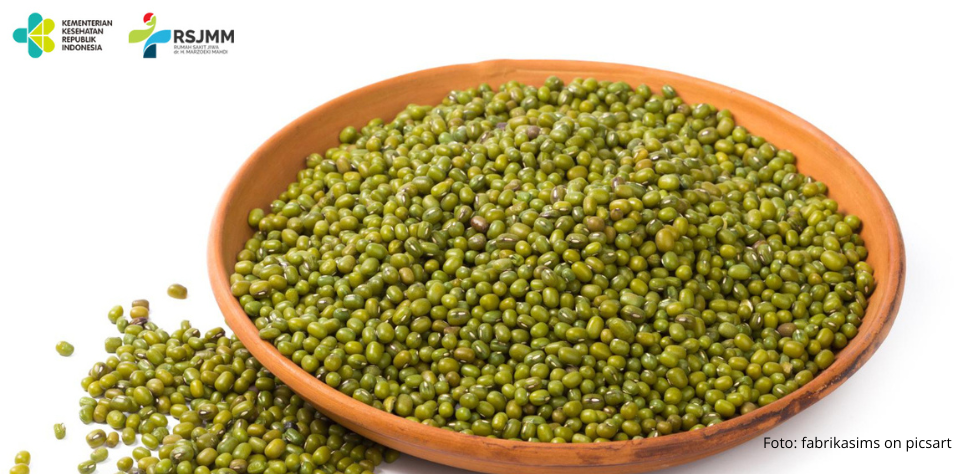
Little Known, Here Are the Numerous Benefits of Green Beans
Green beans are one of the plants that can grow almost anywhere in Indonesia. In Indonesia, green beans hold a significant consumption position and are a good source of nutrition. Green beans are high in protein and low in saturated fat, low in sodium, and contain antioxidants. According to Mustakim (2014), more than 65% of the protein needs and 80% of the energy needs in the diet of the population in developing countries are fulfilled by plant-based food sources. Green beans are easily found in various places such as markets, small stalls, and supermarkets. The plant's year-round growth and the various available varieties make green beans an easily accessible food ingredient.
Green beans have several benefits for health and medicinal purposes. Some of the benefits of green beans include facilitating digestion, detoxifying effects, aiding weight loss, boosting the immune system, contributing to red blood cell formation, preventing anemia, promoting bone and dental health, reducing the risk of cancer, and treating beriberi disease. Here are the various benefits of green beans:
- Preventing Constipation: Constipation is a common digestive problem. To prevent and alleviate constipation, it's essential to have an adequate intake of fiber. Fiber can facilitate digestion by increasing the water content in the intestines. This softens the stools, making bowel movements smoother. In addition to consuming fiber, staying hydrated with sufficient water intake is crucial in preventing constipation.
- Enhancing Nutrient Absorption: Fiber also plays a vital role in absorbing nutrients from the food entering the body. This not only maintains gastrointestinal health but also boosts the body's immunity.
- Acting as a Prebiotic: Fiber also acts as a prebiotic in the digestive tract. It provides food for beneficial bacteria in the intestines, ensuring their growth and functions. As a result, digestion becomes healthier, and the digestive system is protected from disturbances.
- Controlling Blood Sugar Levels: Sufficient fiber intake reduces the risk of various health issues in the future, including diabetes. As explained earlier, the body cannot absorb fiber, preventing blood sugar spikes after consuming fiber-rich foods.
- High in Antioxidants: Consuming green bean pudding, which is rich in antioxidants such as phenolic acid, flavonoids, caffeic acid, and cinnamic acid, helps protect the body from free radicals that can potentially cause chronic diseases.
- Lowering Cholesterol and Blood Pressure: Green beans are believed to help lower blood pressure. They contain potassium, magnesium, and good fiber content. Research has linked each of these nutrients to significantly lower risks of high blood pressure. 26 studies found that consuming one daily serving (around 130 grams) of legumes significantly reduced LDL cholesterol levels.
- Improving Heart Health: Due to the fiber and folate content in legumes, consuming them regularly has been linked to a reduced risk of coronary heart disease. Magnesium in green beans may also play a role in maintaining heart health. The fiber in green beans can help lower cholesterol and blood pressure, even improving blood vessel function, promoting heart health.
- Containing Essential Nutrients for Pregnant Women: Green beans are rich in folate, a crucial nutrient during pregnancy. Folate produces red blood cells in the human body and plays a role in developing the embryo's nervous system. Adequate folate intake reduces the risk of neural tube defects in babies.
- Strengthening Bones: Green beans, in general, are a good source of calcium, which reduces the risk of osteoporosis. Besides containing high calcium, green beans are also rich in vitamin K, an essential nutrient for strong bone
Author: Ulfah Sulistiowati Sudarto
Reference:
Abdi, H.M. (2015). Efektifitas Pendidikan Gizi dengan Media Komik terhadap Pengetahuan dan Sikap Pentingnya Konsumsi Sayur dan Buah pada Siswa-Siswi SD Negeri Pondok Pucung 02, Tangerang Selatan.(Skripsi). Jakarta. Universitas Esa Unggul
Arisman. 2004. Gizi dalam Daur Kehidupan. Jakarta: EGC.
Baliwati, Yayuk Farida. 2004. Pengantar Pangan dan Gizi. Jakarta : Penerbit Swadaya.
Dewanti, R dan Hariyadi. 2011. Food Safety Issues In South East Asia. Department of Food Science and Technology.
Sulistijani, D.A dan Herlianty (2001). Menjaga Kesehatan Bayi dan Balita. Jakarta: Pupa Swara.
Wirakusumah, E.S. (2005). Jus Buah dan Sayuran. Jakarta : Penebar Swadaya