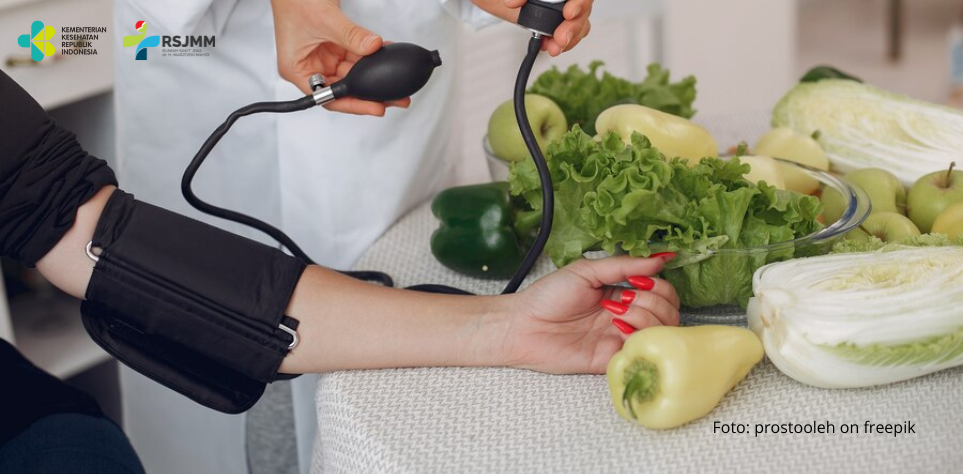
Hypertension / High Blood Pressure Diet (DASH Diet)
The DASH Diet, which stands for Dietary Approaches to Stop Hypertension, is a "latest" healthy eating pattern that has been proven to help reduce blood pressure and cholesterol. The DASH Diet is based on principles of healthy eating, not only to lower blood pressure but also to reduce the risk of heart disease, stroke, and cancer.
This diet can help achieve and maintain a healthy weight. There are no food restrictions; it's all about a highly beneficial eating pattern. Hypertension is one of the non-communicable diseases with high morbidity and mortality rates.
High blood pressure is a strong risk factor for kidney disease and cardiovascular diseases like stroke and ischemic heart disease. Prehypertensive individuals have a high likelihood of developing hypertension and an increased risk of cardiovascular diseases compared to individuals with blood pressure values in the normal range. Normal blood pressure is approximately ±120/80 mmHg.
Research on the Dietary Approaches to Stop Hypertension (DASH) diet shows that a diet high in vegetables, fruits, and low-fat dairy products with low saturated and total fat content and high levels of potassium, calcium, and magnesium can lower systolic blood pressure by 6-11 mmHg and diastolic blood pressure by 3-6 mmHg. When following the DASH diet, you will consume plenty of fruits and vegetables, combined with low-fat dairy, lean meats, poultry, fish, legumes, and whole grains.
The DASH Diet focuses on low saturated fat and cholesterol, includes a moderate amount of protein, and is rich in vitamins, minerals, and fiber. There are two types of DASH diets:
-
Standard DASH Diet, where the maximum allowable sodium intake is 2300 mg per day.
-
Low Sodium DASH Diet, where sodium intake should not exceed 1500 mg per day.
The DASH Diet is meant to be followed throughout the year to establish good eating habits. The meal frequency remains three times a day with a daily caloric intake of around 2000 calories. Here's how to follow the DASH Diet:
-
Whole grains (6 to 8 servings per day)
- Replace white rice with brown rice.
- Choose whole wheat pasta.
- Opt for whole grain bread without adding cheese, chocolate, or butter.
-
Vegetables and fruits (4 to 5 servings per day)
- Choose fruits and vegetables rich in magnesium and potassium, such as bananas.
- Use them as snacks at 11 AM and 5 PM or 1 hour before a large meal.
- Prefer fresh vegetables over frozen ones.
-
Low-fat or fat-free dairy products (2 to 3 servings per day)
- These are beneficial due to their calcium, vitamin D, and protein content.
- Choose low-fat or fat-free options and incorporate them into salads.
-
Meat, poultry, and fish (up to 6 servings per day)
- Remove the skin from meat as it contains high levels of fat.
- Prefer cooking methods like baking, steaming, or boiling over frying.
- Choose fish rich in omega-3 fatty acids, like salmon and tuna.
-
Fats and oils (2 to 3 servings per day)
- Limit your intake of meat, butter, cheese, milk, cream, and processed foods with coconut oil.
- Avoid trans fats found in processed foods like biscuits, fried foods, and packaged snacks.
- Carefully read food labels and choose items with low saturated fat and no trans fat.
-
Sweets (up to 5 servings per week)
- Avoid artificially sweetened foods.
- Avoid artificially sweetened beverages, even if labeled as "diet" or "low sugar."
-
Nuts, seeds, and legumes (4 to 5 servings per week)
- Sodium (salt) intake depends on the type of DASH Diet chosen.
- Recommended sodium intake ranges from 1500 mg to 2300 mg per day.
Author: Moch Zaenal Muttaqin, SST
References:
1. Krummel D. Chapter 36: Medical Nutrition Therapy in 6. Hipertension. In: Mahan LK,Stump ES. Krause’s Food,Nutrition, and Diet Theraphy 11edition. Canada: Saunders Elsevier; 2004.
2. Forman J, Stampfer M, Curhan G. Diet and lifestyle 1. risk factors associated with incident hypertension in women. JAMA. 2009;4(302):401-411.