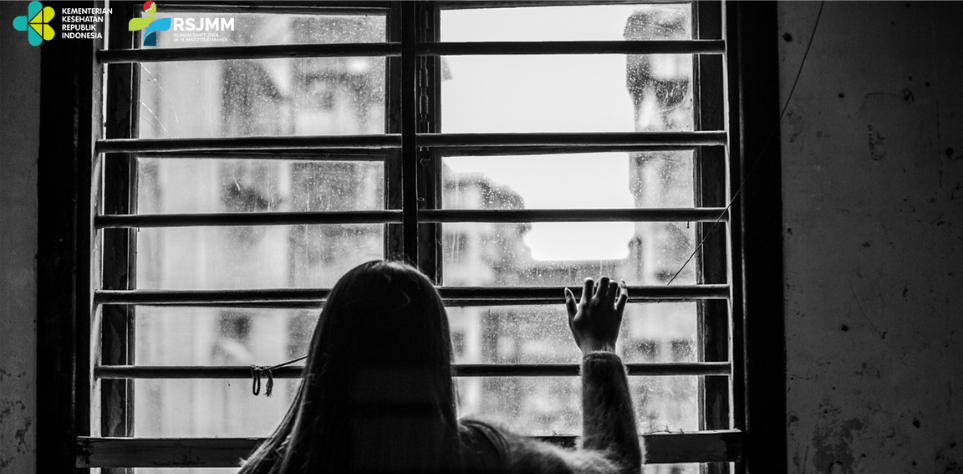
Disasters and their Threats to Mental Health
A disaster is a traumatic event that is unexpected and occurs suddenly without being prepared. Disasters will cause psychological responses in everyone who experiences them, witnesses them, and is affected by the consequences. These psychological responses include anxiety, fear, a sense of hopelessness, difficulty sleeping, irritability/emotion, fatigue, and pain/itching in the body. In many people, this psychological response gradually leads to improvement and the absence of mental health problems. However, WHO says that 1 in 5 disaster victims can experience serious mental health problems such as anxiety disorders, depression, PTSD (Post Traumatic Stress Disorder), bipolar disorder, psychosis/schizophrenia. People with mental disorders (ODGJ) are a group of people who are more vulnerable to being triggered by symptoms of mental disorders again if they experience a disaster.
1. PTSD (Post-Traumatic Stress Disorder).
PTSD is a mental disorder that can occur with a fairly high incidence in those who experience traumatic events such as disasters.
· Signs and Symptoms of PTSD in children:
- Bedwetting
- Regressive behavior, sudden difficulty speaking
- Always want to stick to the closest people
- Suddenly crying for no apparent reason
· Signs and Symptoms of PTSD in adults:
1. Stressors
Experiencing or witnessing a traumatic event
2. Memories of traumatic events
Remembering or re-experiencing the traumatic event appears in the form of memories, nightmares or flashbacks which cause uncomfortable emotional reactions
3. Avoidance
Try to avoid situations, circumstances, news that can trigger memories of the traumatic event experienced.
4. Symptoms of thoughts and feelings
- Loss of interest in daily activities
- Self-isolation, not wanting to socialize
- Negative feelings towards yourself and others
- Difficulty finding thoughts and positivity towards yourself and others
- Difficulty remembering in detail the traumatic events that occurred
- Blame yourself and others
5. Reactive behavioral symptoms
- Irritability and aggressive behavior
- Sleep disorders
- Focus and concentration problems
- Risky and dangerous behavior
- Excessive alertness
- Easily startled
6. Life Function Disorders
These symptoms cause suffering and interfere with daily functioning and life.
7. Time Duration
If these symptoms persist for 1 month or more, a diagnosis of Post-Traumatic Stress Disorder (PTSD) can be made
2. Psychotic/schizophrenic:
Is a disturbance in assessing reality characterized by hallucinations such as hearing whispered voices, seeing shadows, feeling in the body as if someone is touching/touching, such as smelling odors that have no source, incoherent speech, delusions, namely false beliefs , such as feeling like other people are talking about you, like feeling like someone wants to do bad things, feeling like you are a different person, often accompanied by dangerous aggressive behavior such as anger, destruction and hurting other people.
3. Depression
Feelings of deep sadness accompanied by loss of enthusiasm and motivation, the body becomes easily tired/lack of energy, changes in sleep patterns and eating patterns, difficulty concentrating/not focusing, and there is a desire to commit suicide
4. Anxiety/anxiety:
anxiety/worry/panic dominates this disorder, accompanied by changes in the body such as rapid and short breathing, palpitations, cold sweat, pain/discomfort in the stomach, dizziness, blurred vision
5. Bipolar:
This is a mood/feeling disorder, people who experience it experience changes in mood from excessively happy to sad, when they are happy they feel they have a lot of energy, they don't sleep, they don't do many things, they have risky behavior, their sexual desire increases, they shop excessively, they don't share things. It's natural, speaks quickly and jumps from one topic to another. On other occasions, depressive disorders such as the symptoms above appear
Mental Health and Psychosocial Support
Threats to mental health in disaster areas need to be anticipated and responded to by providing mental health and psychosocial support to affected communities. Some things you can do:
1. Community self-help and social support should be strengthened, for example by creating or re-forming community groups where members solve problems collaboratively and engage in activities such as emergency relief or learning new skills, while ensuring the involvement of vulnerable and marginalized people, including people with mental disorders.
2. Psychological first aid provides first-line emotional and practical support to people experiencing psychological problems due to disasters and provides training for field workers, health workers, teachers and volunteers
3. Basic clinical mental health care covering priority conditions (e.g. depression, psychotic disorders, epilepsy, schizophrenia, bipolar) should be provided in every health care facility by trained and supervised health workers.
4. Psychological interventions (e.g. problem-solving interventions, group interpersonal therapy, interventions based on the principles of cognitive behavioral therapy) for people disturbed by long-standing psychological problems need to be provided by mental health professionals.
5. Protect and promote the rights of people with serious mental disorders and psychosocial disabilities in humanitarian emergencies such as disasters. This includes visiting, monitoring and supporting people in psychiatric facilities and residential homes.
6. A referral mechanism needs to be established between mental health professionals and basic health services in disaster areas so that serious cases can be resolved properly.
Mental health and psychosocial support needs to be carried out collaboratively and involving various parties as a team so that people can get benefits to protect, improve and improve their mental health conditions.
Author: dr. Lahargo Kembaren, Sp.KJ
Refrance:
Mental health in emergencies. https://www.who.int/news-room/fact-sheets/detail/mental-health-in-emergencies
International Strategy for Disaster Reduction. Living with risk: A global review of disaster reduction initiatives. United Nations Publications. 2004
Quarantelli EL. Disaster crisis management: A summary of research findings. Journal of management studies. 1988 Jul;25(4):373–85.