Contemporary Adolescent Behavior: How to Understand and Deal with It?
Many contemporary adolescent behaviors have gone viral in the media lately. There are teenagers who block trucks for content, some who kill for organ trafficking, and others who bathe in mud to earn money. These actions have garnered significant attention from netizens.
UN Secretary-General Antonio Guterres once stated, "The hopes of the world rest on young people. Peace, economic dynamism, social justice, tolerance – all this and more, today and tomorrow, depends on the strength of youth."
Adolescents are individuals aged 10-24 years, making up the largest proportion of the population. The adolescent period is a transitional phase, moving from childhood to adulthood. The changes experienced by adolescents are numerous and include physical, psychological, hormonal, life issues, and cognitive changes.
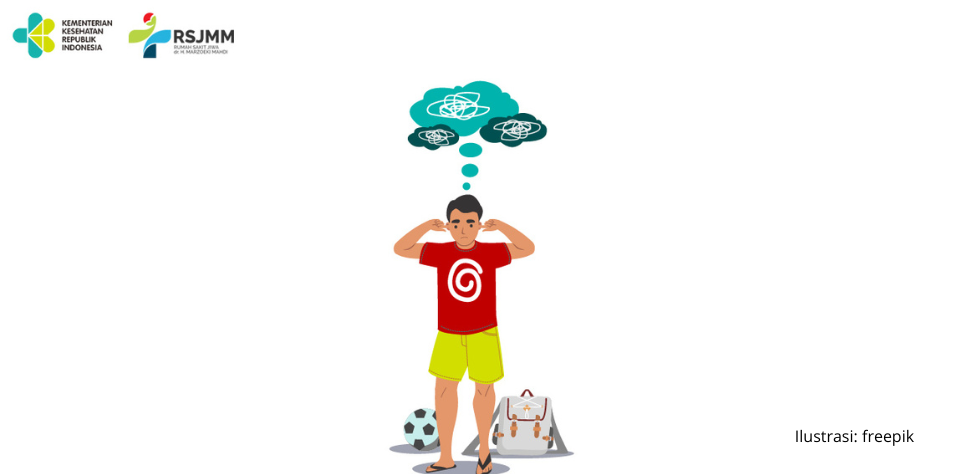
Each change requires a process of adjustment. Adolescents need space to adapt to the various changes happening within them. Many teenagers today feel that they have very limited space to express themselves. The busyness of school, home, assignments, and other activities becomes a monotonous routine that consumes their time and adolescence.
Adolescents need a safe space to develop themselves by interacting with peers, parents, expressing their hobbies and talents, and trying new things. On the other hand, many adolescents express themselves through various negative behaviors such as gaming addiction, online gambling, pornography, drug use, and more.
According to Erik Erikson, in psychosocial development, adolescence is a period of identity exploration, and if not achieved, it can lead to confusion in life roles. The human brain undergoes development from infancy to adulthood (up to 25 years old). In adolescents, the prefrontal cortex of the brain has not yet matured, which results in:
- Limited ability for rational decision-making in adolescents.
- Sensitivity to peer pressure (bullying).
- A tendency to engage in risky or impulsive behavior, easy irritability, sensitivity, and being overly emotional.
- Difficulty in understanding someone's emotional expressions, leading to the impression of indifference.
Pubertal hormonal changes in adolescents also bring about various changes in their physical, emotional, behavioral, and cognitive aspects. Yes, adolescents need space to express all of these changes. Furthermore, they need positive understanding rather than judgment. Adolescents need guidance and facilitation to engage in positive behaviors and activities as they grow.
Parents, teachers, and all of us play a role in fostering healthy adolescent development. Some things that can be done include:
- Maintaining good and supportive communication with adolescents, not communicating with them as if they were younger children, and providing space for discussion.
- Accepting and validating various expressions that emerge in adolescents and refraining from quick judgment or advice-giving. Listen to the problems they are experiencing, as conflicts and issues are often unavoidable.
- Trusting adolescents to make decisions. Occasionally, they may make mistakes in their decisions, but continue to support them with love.
- Avoid physical punishment, hitting, or yelling. Such actions do not make our messages more audible. Use forms of punishment such as reducing pocket money, limiting time with friends, or taking away comforts they have enjoyed so far.
Let's give adolescents space while still providing positive guidance so that they can learn to be responsible in their lives.
Author: dr. Lahargo Kembaren, Sp.KJ
Reference:
Angold, A., and Costello, E. J. (1995). A test-retest reliability study of child-reported psychiatric symptoms and diagnoses using the Child and Adolescent Psychiatric Assessment (CAPA-C). Psychol. Med. 25.