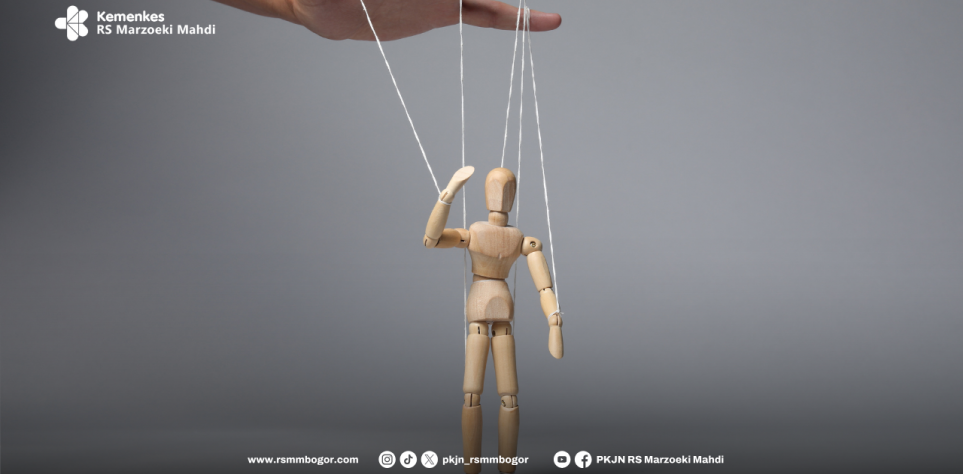
Beware of Psychological Manipulation
Have you ever been stuck in an unhealthy relationship but found it hard to leave or end it? This often happens because someone engages in psychological manipulation, influencing the thoughts, attitudes, and behaviors of those around them. Typically, individuals with personality disorders employ such tactics to satisfy their egos or obtain what they desire, often causing others to suffer. Psychological manipulation can leave victims stressed, mentally distressed, suffering, and even financially, sexually, or emotionally harmed.
Psychological Manipulation
The act of influencing someone psychologically in a harmful or exploitative way is referred to as "Dark Psychology."
Here are some common methods:
- Manipulation
Exploiting someone’s weaknesses, emotions, or beliefs to make them act as desired. It is often carried out through persuasion, deception, and coercion. - Paltering
Misleading someone by seemingly telling the truth while withholding critical information with negative implications. - Gaslighting
A manipulation technique that makes someone doubt their perceptions or sanity by denying truths or distorting reality. - Backstabbing
Betraying someone’s trust by secretly harming or undermining them while pretending to be a friend or ally, often for personal gain or to cause harm. - Triangulation
Involving a third party to manipulate or control a situation, often by fostering competition, jealousy, or insecurity. - Exploitation
Identifying and leveraging someone's weaknesses, insecurities, or fears to manipulate them. This could involve exploiting emotional, psychological, or physical vulnerabilities, such as taking advantage of loneliness or dependence to fulfill personal desires. - Guilt-tripping
Making someone feel guilty to control their behavior. This often involves emotional manipulation, exaggerating the impact of their actions, or making them feel responsible for something they didn’t do. - Reverse Psychology
Encouraging someone to do something by suggesting the opposite, capitalizing on their desire for autonomy or resistance to manipulation. - Love Bombing
Overwhelming someone with attention, praise, and affection to create a strong emotional bond, which can then be used to manipulate or control them. - Negging
Undermining someone’s confidence through backhanded compliments or mild insults disguised as praise, often in dating or social interactions, to make them seek validation.
Strategies to Handle Psychological Manipulation
1. Understand Personality Disorders
Learn about difficult personality types such as narcissistic, histrionic, borderline, and antisocial. Understanding these types can help you recognize their behaviors and develop effective strategies for interaction.
2. Set Boundaries
Establish clear boundaries when dealing with difficult individuals. Boundaries protect your emotional well-being and mental health while fostering healthier dynamics in relationships.
3. Recognize Emotional Triggers
Identify what specific behaviors or interactions trigger strong emotional responses. Preparing yourself can help you respond calmly and constructively instead of reacting impulsively.
4. Practice Self-Care
Prioritize activities that boost mental and emotional well-being, like exercise, meditation, or spending time with supportive friends, to recharge and maintain resilience in challenging relationships.
5. Use Humor as a Tool
Humor can diffuse tension and help manage interactions with difficult people. Finding the lighter side of situations can reduce stress and foster a more positive atmosphere.
6. Empathy and Compassion
Practice empathy and compassion, even with toxic individuals. Recognizing that their behavior often stems from pain or insecurity can help you respond with patience instead of frustration.
7. Effective Communication Techniques
Use assertive techniques like “I” messages to express your feelings without blame, listen actively, and maintain a calm demeanor during discussions.
8. Choose Your Battles
Be selective about which issues are worth addressing and which can be ignored. Not all negative behaviors require a response, and sometimes non-engagement is the healthiest choice for your peace of mind.
9. Seek Support
Reach out to friends, family, or professionals for support when dealing with toxic relationships. A strong support system can provide perspective, encouragement, and strategies to manage challenging interactions.
10. Foster Personal Growth
Focus on your personal growth and development, even in difficult relationships. Cultivate resilience, self-awareness, and emotional intelligence to face challenging personalities with confidence and grace.