Balanced Nutrition at Menopausal Age
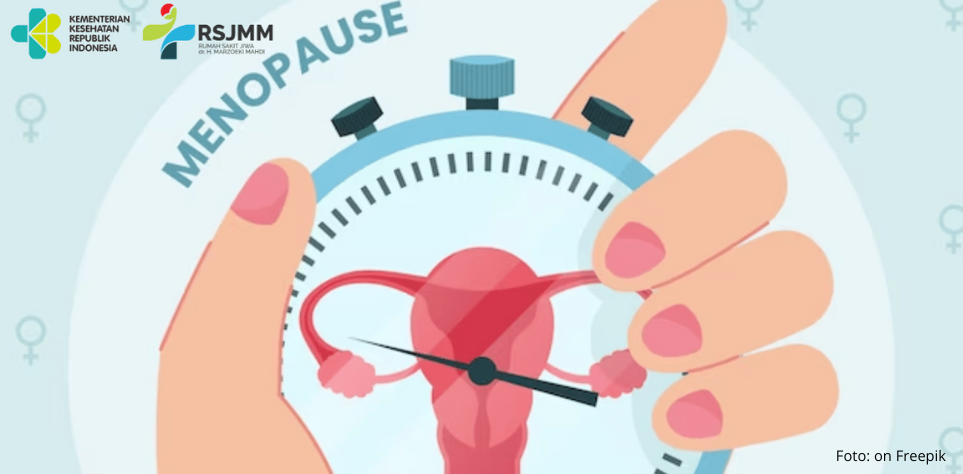
According to Bobak (2005), Menopause comes from the Latin word mensis, which means month, and the Greek word poesis, which means stop. This word signifies the end of the menstrual period. Menopause can only be accurately determined one year after menstruation stops. It marks the cessation of a woman's reproductive function, characterized by the cessation of menstruation at the age of 50, due to the lack of estrogen hormone production by the ovaries. Menopause can also be referred to as a "life change" for women. When menstruation stops, a woman is said to have undergone menopause if she has not had a period for one year. During this time, ovarian activity decreases until ovulation stops (Kozier, 2011). WHO defines menopause as the permanent cessation of menstruation caused by the loss of ovarian follicular activity. After 12 consecutive months of amenorrhea, the last menstrual period is retrospectively designated as the time of menopause (Brashers, 2007). Therefore, it can be concluded that menopause is a period in a woman's life when menstruation stops for a year due to the lack of estrogen hormone production in the ovaries, marking the end of a woman's reproductive years.
The main cause of menopause is strongly determined by age, and this condition leads to hormonal reactions in a woman's body. The hormonal condition results in the release of estrogen and progesterone hormones, and eventually, the release of eggs also stops. The ovaries of women aged 45-50 years usually begin to shrink and are no longer stimulated by sex hormones as before.
Nutrition refers to organic substances needed by organisms for the normal functioning of the body systems, growth, and maintaining health. Nutrition is obtained from food and fluids, which are assimilated by the body. Nutrition is the science that studies food and its relationship with health. The science of nutrition discusses the properties of nutrients contained in food, their metabolic effects, and the consequences of nutrient deficiencies. Nutrients are chemical compounds found in food that are absorbed and used to improve body health. Menopause is also part of the group vulnerable to nutritional deficiencies, although it is not related to body growth. In this period, the activity of the digestive organs and glands decreases, so easily digestible foods that do not burden the digestive glands are preferred. Foods that are low in fat are generally easier to digest but should contain enough protein and carbohydrates.
Balanced nutrition aims to meet daily nutritional needs with the intake of food nutrients containing carbohydrates, protein, fats, vitamins, minerals, and water. The nutritional needs of an adult with normal weight are about 2000-2200 calories per day. By meeting balanced nutrition, individuals are expected not to be overweight or underweight, which can lead to diseases such as diabetes mellitus or anemia. If sufficient balanced nutrition is consumed, specific nutrient intake to prevent disturbances is not necessary. However, it is advisable to anticipate the necessary food intake during menopause or the cessation of estrogen hormones in the body, especially if there is a risk of specific body disorders in the future. These foods include those containing phytoestrogens, such as soybeans or papayas. Also, do not forget to consume foods rich in vitamin D, such as tuna, salmon, fish oil, eggs, and milk. Although vitamin D can be obtained from sunlight, it is essential. In principle, nutritional adequacy during menopause is the same as nutritional adequacy in younger age groups. The only exception is the decrease in energy requirements with age. The food needed during menopause is not much. The diet should not be the same as when in the 30s to 40s because nutritional needs are different. Eating healthy and appropriate foods is one of the supporting factors for a quality life during menopause. The calorie and nutrient needs for menopausal women are recommended according to factors such as body weight, height, age, and activity, with generally lower amounts than the needs in adulthood.
The following are the basic principles to meet balanced nutrition in menopausal women:
Providing a diet suitable for the diseases being suffered, in addition to treatment.
Consuming iron supplements to treat anemia.
Consuming non-fat milk or high-calcium foods to prevent osteoporosis.
Consuming enough fiber (vegetables and fruits) to treat constipation.
Exercising regularly.
Limiting sodium or sodium intake found in packaged foods, usually in snacks.
Recommended nutrient intake for menopausal women includes:
a. Calcium
Estrogen levels significantly decrease during menopause. This situation increases a woman's need for calcium. If this requirement is not met, bone loss will occur more quickly. Therefore, menopausal women who do not use estrogen replacements are advised to get 1,200 milligrams of calcium per day. Calcium can be obtained from milk, cheese, and yogurt.
b. Vitamin D
Vitamin D is crucial for protecting your bones during menopause. Milk and its derivatives, such as yogurt and cheese, are also beneficial and contain vitamin D.
c. Fruits and Vegetables
Metabolism slows down with age, and women in their mid-forties tend to become less active. This can lead to weight gain, one of the most feared symptoms of menopause. By consuming low-calorie fruits and vegetables, you can help reduce weight while getting the necessary nutrients to stay healthy.
d. Iron
Your iron needs actually decrease during menopause. Therefore, you are encouraged to consume foods such as lean beef, eggs, or cereals in appropriate portions. All of these contain iron, which is good for supporting your body's health during menopause.
e. Soy
Some experts believe that soy can alleviate hot flashes during menopause. This is because soy contains isoflavones, which can mimic estrogen in the body.
f. Whole Grains
Some whole grains, such as steel-cut oats, quinoa, barley, and brown rice, provide vitamin B that helps increase energy, manage stress, and maintain digestive system function during menopause. Additionally, folate and fiber in whole grains can help reduce the risk of cardiovascular diseases that threaten menopausal women.
g. Water
Menopausal women must consume an adequate amount of water every day. This is to prevent worsening dry skin and vaginal complaints. Drinking water also helps reduce bloating caused by hormonal changes.
Menopause is a period in a woman's life when menstruation stops for a year due to the lack of estrogen hormone production in the ovaries, marking the end of a woman's reproductive years. Basically, nutritional adequacy during menopause is the same as nutritional adequacy in younger age groups. The only exception is the decrease in energy requirements with age. However, it is advisable to anticipate the necessary food intake during menopause or the cessation of estrogen hormones in the body, especially if there is a risk of specific body disorders in the future.
Author: Ulfah Sulistiowati Sudarto, S.Gz
Referensi:
Bobak, L. 2005. Keperawatan Maternitas, Edisi 4. Jakarta: EGC
Brashers V.L., 2007. Aplikasi Klinis Patofisiologi Pemeriksaan & Manajemen Edisi 2. Jakarta: EGC pp.1-3
Kozier, B. Erb, G. Berman, A. & Snyder, S.J. (2011). Buku ajar fundamental keperawatan. edisi. 7. Jakarta : egc
Prathita, Y. A., Syahredi, S., & Lipoeto, N. I. (2017). Hubungan Status Gizi dengan Siklus Menstruasi pada Mahasiswi Fakultas Kedokteran Universitas Andalas. Jurnal Kesehatan Andalas, 6(1), 104-109.Diakses pada tanggal 24 Maret 2020
Wahyuni, Y., & Dewi, R. Gangguan siklus menstruasi kaitannya dengan asupan zat gizi pada remaja vegetarian. Jurnal Gizi Indonesia (The Indonesian Journal of Nutrition), 6(2), 76-81.Diakses pada 25 Maret 2020